
Start with the material’s job.
Are you building a compacted base, surrounding a drainage pipe, or topping up an existing gravel surface? Write that down before choosing a load. A material that packs into a dense base may be the wrong choice where the design calls for open spaces around a drain.
Our catalog describes crusher run as a blend of angular stone and fines. #57 limestone is a clean stone option. Those descriptions help with selection, but the installer’s or engineer’s specification should settle the material for a designed assembly.
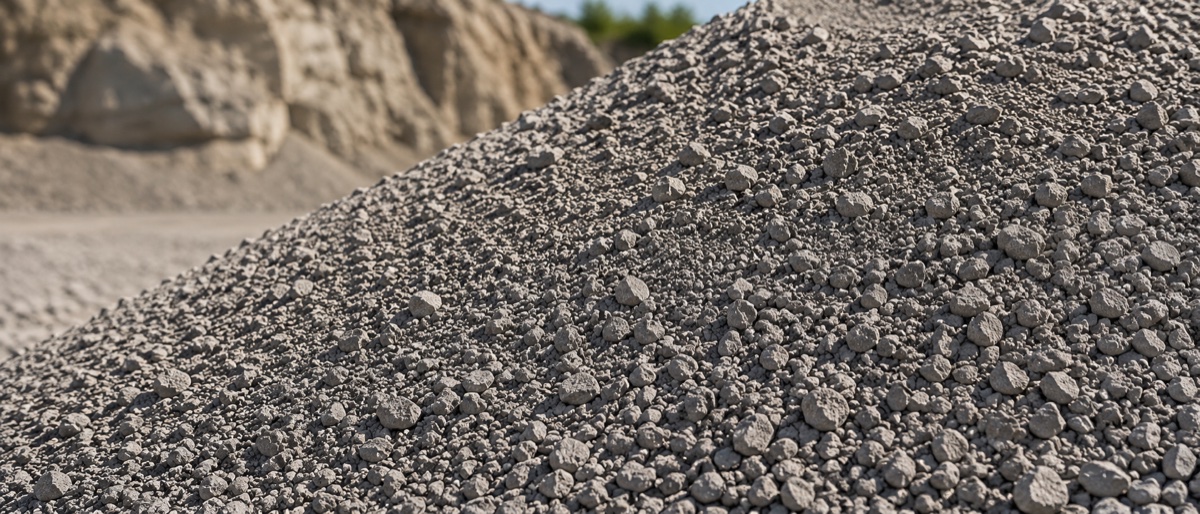
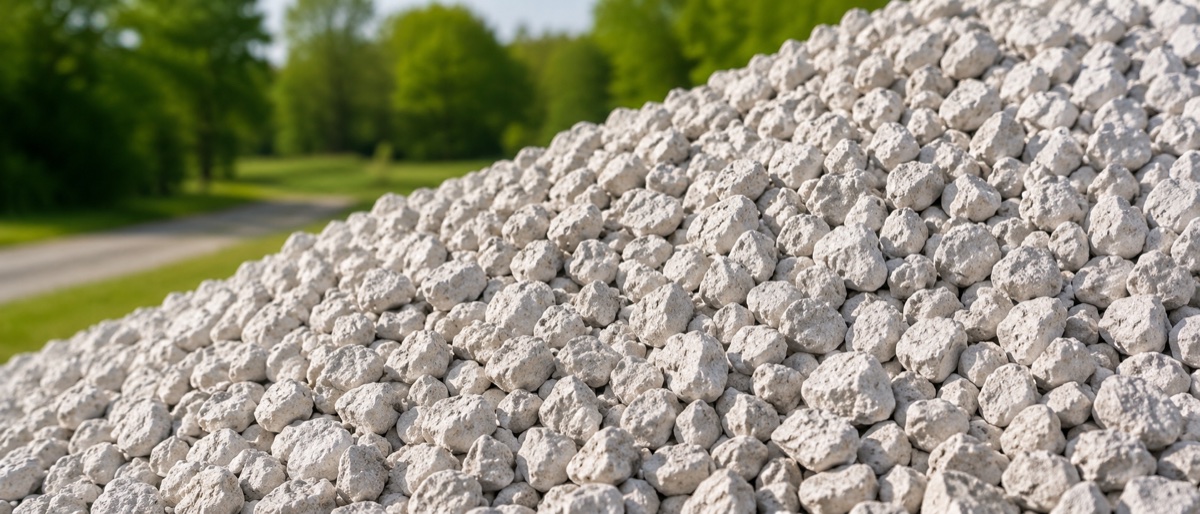
These catalog images are visual references, not a gradation test or a guarantee of the next load’s appearance. Ask for the supplied material specification when size, fines, or cleanliness affects the job.
Compare the specification, not just the color.
| Question | Clean rock | Minus / crusher run |
|---|---|---|
| What is in the load? | Stone screened to a specified grading, with fines removed | Stone and smaller particles, including fines |
| What is the ordering decision? | Match the specified size and drainage or surface use | Match the required base material and compaction specification |
| What still needs checking? | Acceptable fines, placement method, and where water can leave | Subgrade condition, moisture, layer thickness, and compaction method |
| What should I send dispatch? | Material name or specification, quantity, address, and use | Material name or specification, quantity, address, and use |
Washington Rock’s quarry explanation illustrates the clean/minus distinction. Its product names and rock source are specific to that supplier. Do not assume that a Missouri supplier’s product is identical because it has a similar name.
“Minus” is not another name for screenings.
A minus base includes a range of particle sizes. Limestone screenings are the finer material separated during processing. Both may contain fines, but that does not make them interchangeable in a base, bedding layer, or drainage detail.
Likewise, a size number and a descriptive name do different work. “#57,” “clean,” “crusher run,” and “three-quarter minus” should not be treated as universal synonyms. Send the actual specification if the contractor has supplied one. For the finer materials, see stone dust versus limestone screenings.
For a driveway, check the base before choosing a surface.
A firm drive that has lost some surface stone is different from one with wet ruts. Another load cannot resolve every failure underneath it. Compare the existing material and proposed layers using our driveway gravel guide. If water collects or mud works through the stone, review driveway grading and repair before ordering a top-up.
Clean stone alone does not create an outlet through wet ground. Minus material does not compact itself. The base, placement, and water route need to work together. Describe the problem you are trying to solve when requesting the material.
Make the quote easy to check.
Send the material name, intended use, quantity, and delivery address. Include the installer’s specification if available, and ask which unit the quote uses. Cubic yards measure volume; tons measure weight. Use the density estimate for the particular material when converting between them.
The gravel calculator helps estimate driveway quantities. Confirm the final order and unloading access with dispatch. State whether you need a delivered pile, spreading, grading, or compaction; they are different parts of a job.