
Rock breaking for foundations, trenches, and site cuts.
Rock breaking with hydraulic hammer attachments on excavators up to 36-ton. Bedrock, buried boulders, reinforced concrete — when a standard excavation bucket hits its limit, we switch to a hammer and keep going. Serving Festus and all of Jefferson County.
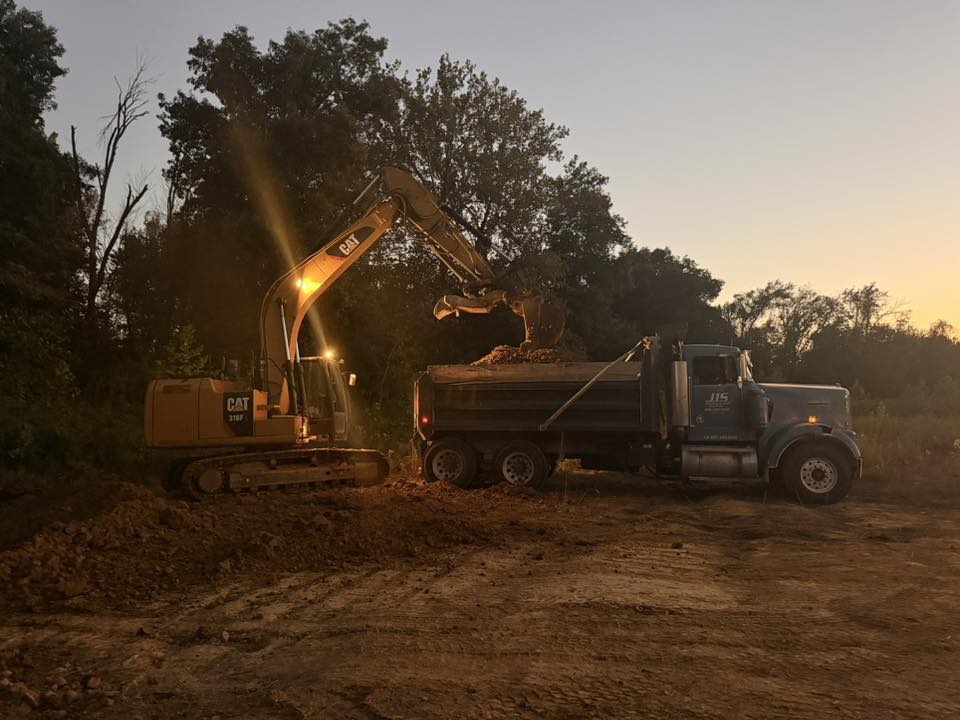 Hydraulic Hammer
Bedrock & Hard Rock Excavation
When excavation hits rock that buckets can't penetrate, a hydraulic hammer turns an hour-long stoppage into a workday. We run hammers on our mid and heavy excavators for rock breaking in new construction, basement excavation, utility trenching through rock formations, and road work. Jefferson County has plenty of buried limestone — we've worked in it for years.
- New construction basement/footings in rock
- Utility trenching through solid limestone
- Road/driveway cuts through rocky terrain
- Rock removal and haul-out after breaking
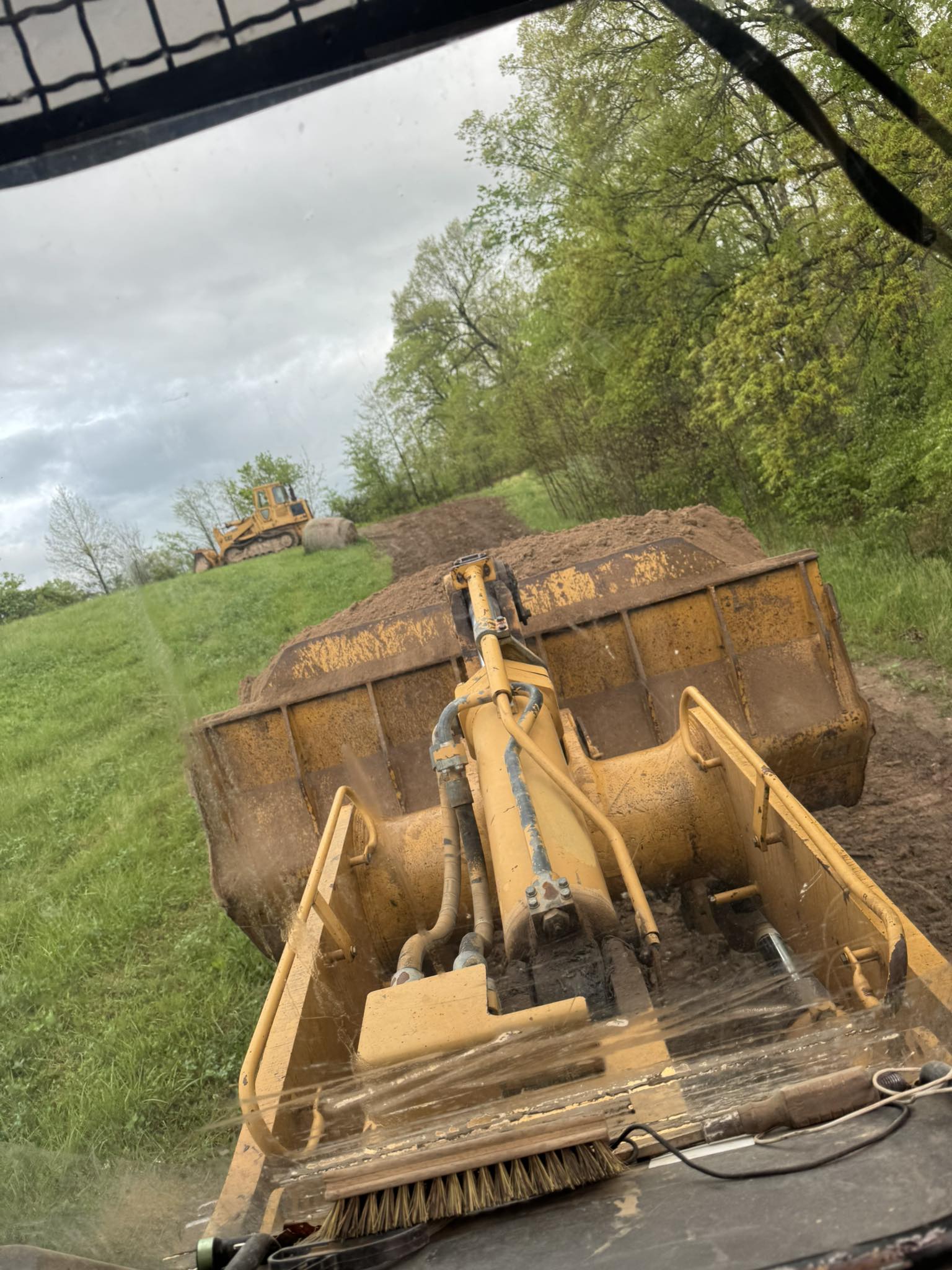 Rock Excavation
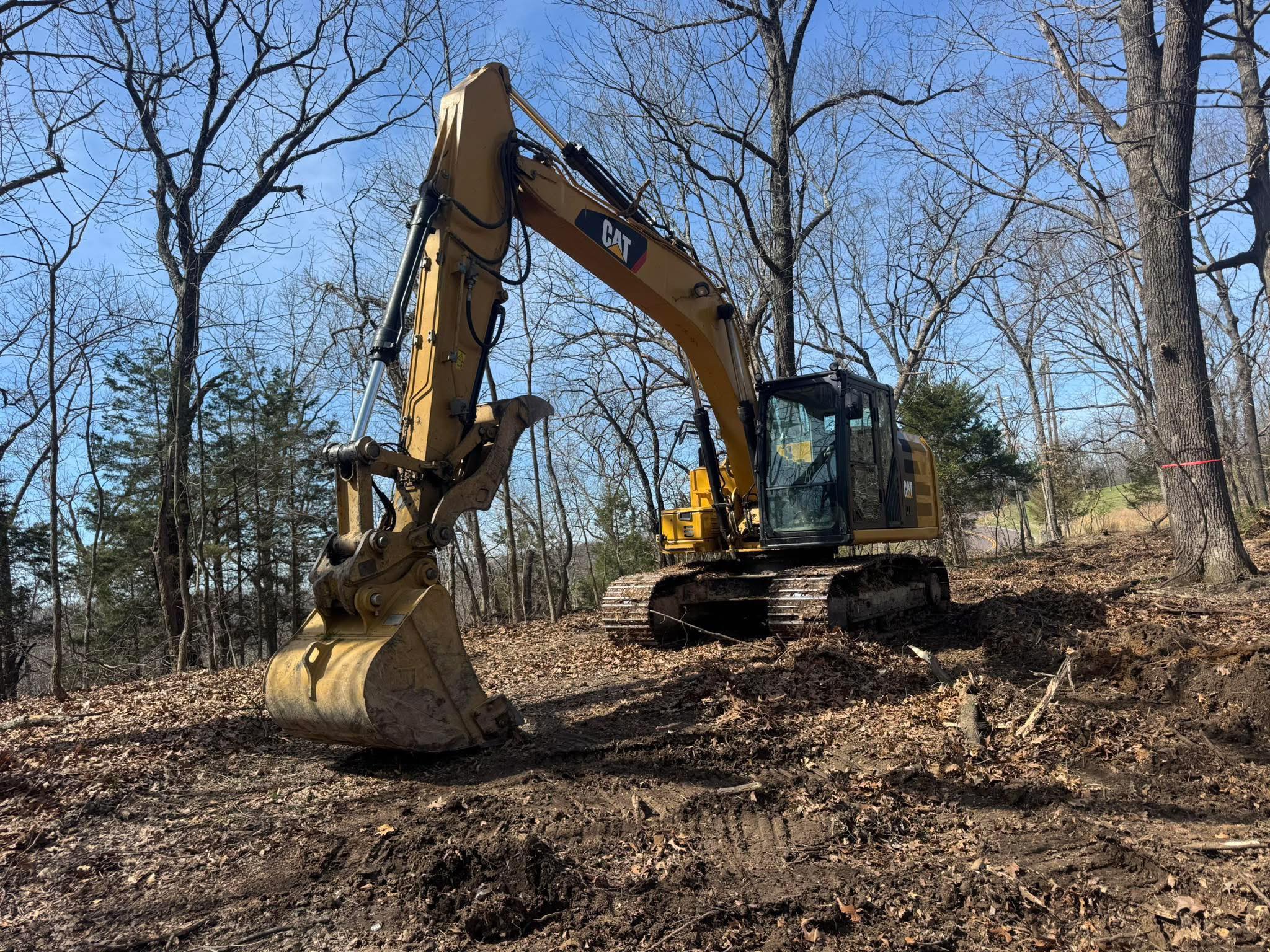 Boulder Work
Buried Boulder Removal
Buried boulders are common in Jefferson County — you don't find them until the bucket hits one. A hammer can break a 3-ton boulder in place so it can be loaded and hauled without stopping the excavation sequence. We carry out what we break.
- Residential and commercial site clearing
- Foundation excavation boulder removal
- Detention pond and basin work
- Old limestone wall and rubble demolition
Concrete & Demolition Breaking
Thick slabs, old foundations, reinforced concrete walls — a hydraulic hammer makes short work of concrete that would take a skid steer all day to remove. We break it, load it, haul it. Full scope from demolition prep to haul-out.
- Slab and foundation demolition
- Retaining wall removal
- Large concrete breaking for haul-out
- Demo prep before excavation
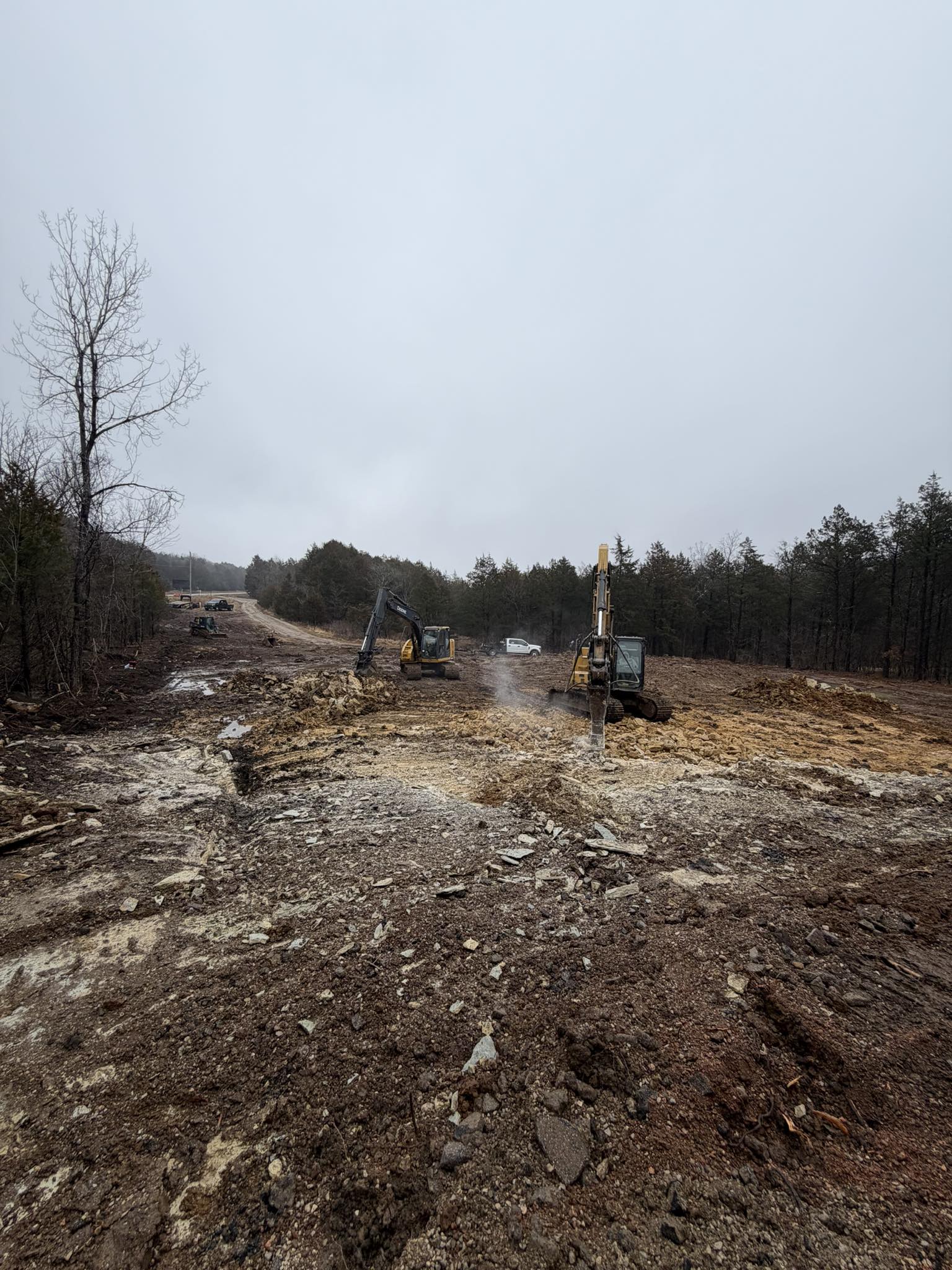 Concrete Demo
Hydraulic breaking for
rock that stops the excavation.
Every job we book, we show up with the right attachment for what's in the ground. If the scope calls for a hammer, it's on the machine before we mobilize — not something we figure out when we get there. Equipment available same-day or next-day.
Rock depth, access,
and excavation costs.
Questions we get from contractors, homeowners, and developers who need rock breaking as part of a larger excavation or utility scope.
What equipment do you use for rock breaking?
Hydraulic breaker attachments on our excavators, sized from medium to 36-ton heavy excavators. The right hammer for a basement dig is different from the right hammer for utility trenching — we match the equipment to the job scope.
Can you break and haul the same day?
Usually yes. Our trucks and excavators work together so breaking and haul-out happen in sequence rather than two separate mobilizations. For large rock volumes, call and we'll plan the haul schedule.
Do you do rock breaking for utility work?
Yes, including for sewer and water line installation. Jefferson County has rock in some corridors where trenching without a hammer isn't realistic. We do rock trenching for utility installation as part of our utility service scope.
How do you price rock breaking jobs?
By the hour or as part of a full excavation scope. Hammering time is separate from general excavation on most quotes. Call and describe what you're hitting — we'll give you a straight number.
Do you haul the broken rock off-site?
Yes. We carry out what we break. Broken rock, rubble, and concrete are hauled to a disposal or recycling facility. If you want crushed material left on-site, we can discuss that too.
Get the rock work into the scope.
For a planned dig, send the address, footprint, target elevations, and any soil or rock investigation. If rock is already exposed, send photos taken from outside the excavation. Include nearby structures, known utilities, and the route equipment and trucks would use.
What the quote should settle
Confirm the breaking method, loading and haul-out, where the material can go, and the finished excavation requirements. If the amount of rock is uncertain, ask how the allowance is measured and who approves additional work. Our rock excavation cost guide explains the items to compare.
We handle rock breaking across Jefferson County, along with the basement excavation and haul-out that may surround it. Tell us whether another contractor is already on the job so the sequence and site responsibilities are clear.
Rock depth and condition vary by site. A nearby excavation can provide context, but its depth or price cannot establish what is beneath your proposed foundation. Use the actual plans and available site information for the estimate.
We've got
the hammer for it.
Call dispatch — we'll mobilize equipment and give you a straight answer on what it'll take to get through it.