
Land grading for building pads, driveways, and drainage.
Precision grading and site preparation for commercial pads, parking lots, driveways, and drainage across Jefferson County and the St. Louis metro.
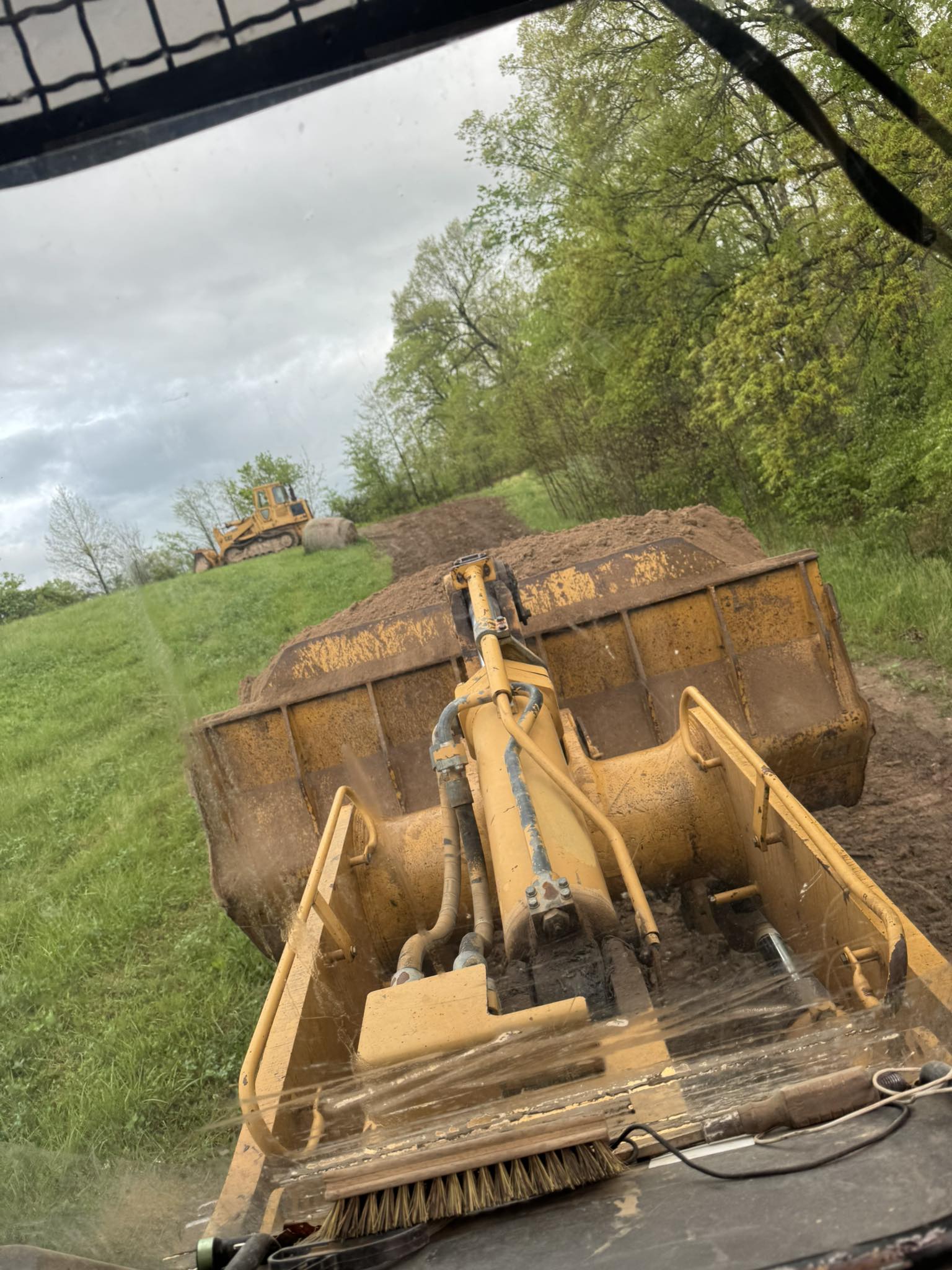 Finish Grade
From raw ground
to a surface that performs.
Grading is more than moving dirt — it's engineered slope, proper compaction, and drainage that actually works. A surface that looks flat and a surface that performs are two different things. We engineer the difference.
J1S does rough cut, fine grade, and everything between. Machine control is standard on our graders — not an upgrade. That means tighter tolerances, faster runs, and less re-work. We build the surface your project needs to stand on.
"The slab either fails or it doesn't. It starts with grade."
How we shape
and compact the site.
Every grading job at J1S follows the same disciplined sequence — from benchmarks set on day one to tolerances confirmed before we leave the site. Here's how raw ground becomes a working surface.
Site Survey
Walk the site, establish benchmarks, set grade stakes. Every job starts with a plan, not a guess. Existing conditions documented before a blade touches dirt.
Rough Cut
Bulk material removed or redistributed to approximate target elevation. Dozers and scrapers for large-scale moves. Cut-to-fill balanced to minimize truck time.
Subgrade Prep
Organic material stripped, subbase compacted by lift. We test compaction — not just assume it. This stage is where failures get built in or designed out.
Fine Grade
Motor graders bring the surface to spec. Tolerances to fractions of an inch for slab, asphalt, and drainage work. Confirmed before we demobilize.
Grading for drainage,
access, and construction.
If it gets built on dirt, it starts with grading. These are the project types we handle most often across Jefferson County and the surrounding region.
Building Pads
Commercial, residential, and industrial structure pads graded to engineering spec. We work to the project elevations and identify drainage and testing responsibilities in the quote.
Parking Lots & Access Roads
Subgrade prep and fine grade for asphalt and concrete lots. Proper cross-slope for drainage. Designed to hold up under traffic and winter conditions.
Driveway & Approach Grading
Residential and commercial drives graded for drainage, slope, and long-term performance. We match the driveway to the existing road or pad at each tie-in.
Positive Drainage
Surface grading to carry water toward the planned outlet. We follow civil drainage plans where required and review practical drainage options for smaller sites.
Subdivisions
Rough and fine grade for subdivision roads and individual lots. Large-scale material balance across a site. We work with your civil engineer from first stake to final grade.
Retention & Detention Ponds
Pond basin shaping, perimeter grading, and outlet control elevation work. Designed to handle storm volume and meet NPDES requirements on permitted sites.
We grade to
the number.
Machine control means we're hitting an elevation file that matches your engineer's plan. That's the difference between a slab that cracks and one that doesn't.
We run compaction testing on every job that needs it. Not because it's required — because pouring on an unverified subgrade is how foundations fail. We'd rather find out before the concrete truck arrives.
"When the engineer stamps it, they're trusting the grade. So are we."
— J1S Field Operations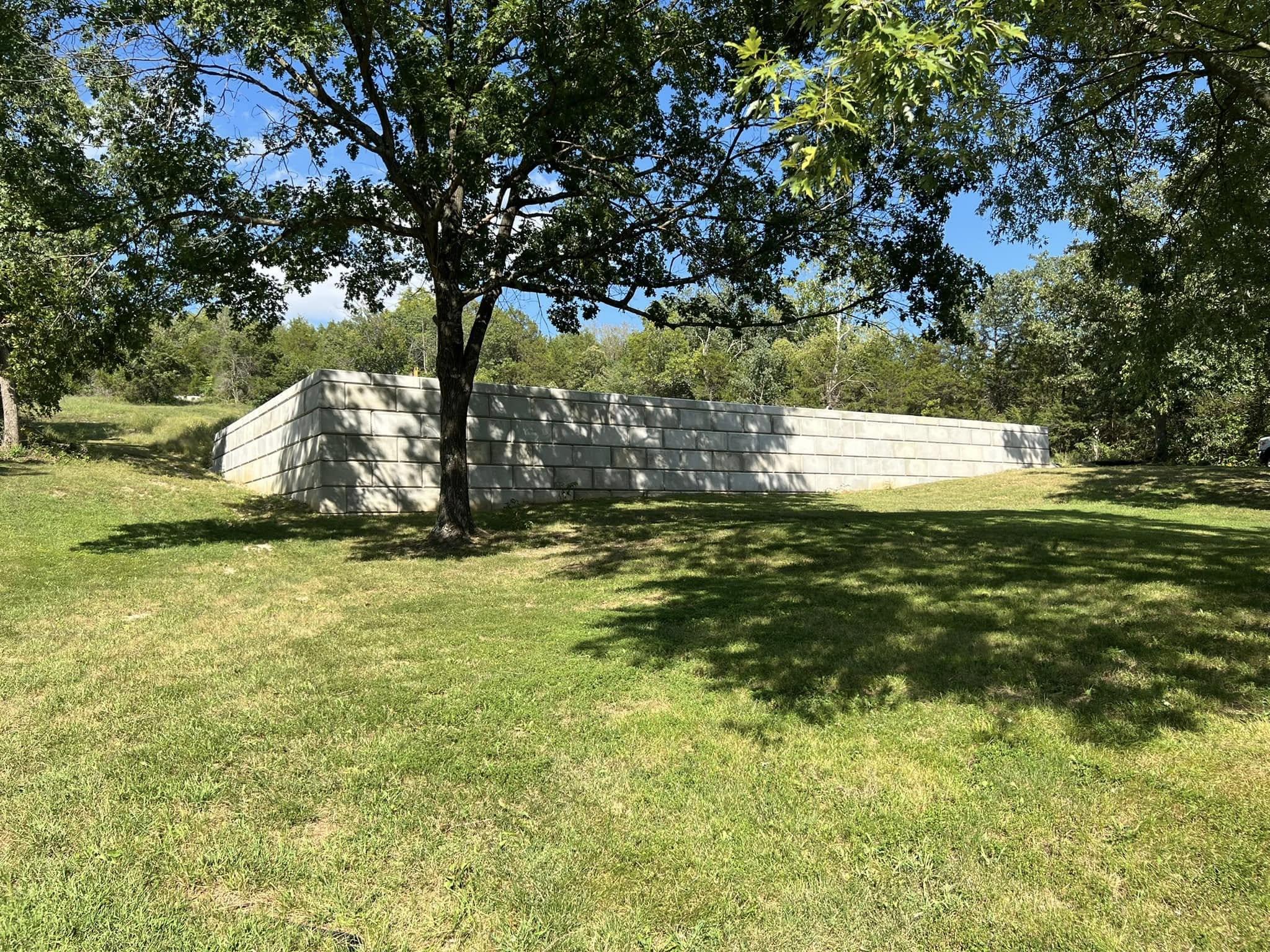
Questions about
grading your property.
Questions we hear from GCs, developers, and property owners trying to figure out scope, accuracy, and what grading actually includes.
What's the difference between rough grade and fine grade?
Rough grade gets the site to within several inches of the target elevation — it's about moving mass efficiently. Fine grade is the precision pass that brings the surface to within a fraction of an inch for slab, asphalt, or pavement. Most jobs need both. We do both, and we sequence them correctly so fine grade doesn't get disturbed by remaining earthwork or traffic.
Do you handle drainage design as part of grading?
We work from civil engineering plans on permitted projects — the drainage design is the engineer's work. What we bring is the ability to execute it precisely: building the slopes, channels, and inlets to the elevations called out on the plans. On smaller projects without a civil engineer, we can advise on practical surface drainage based on site conditions and experience.
How accurate is machine-controlled grading?
On a calibrated, controlled site, our grading systems hit tolerances within ±0.05 feet (about 5/8 of an inch) consistently. For fine grade work under slabs or pavement, we verify with a level rod and straightedge before calling a lift done.
Do you do compaction testing?
We perform field density testing using nuclear density gauges on projects that spec it — which is most commercial and public work. For residential and smaller jobs, we compact by lift and count, and can coordinate a third-party geotechnical firm for any project that needs certified results. If your engineer requires proof rolling or density reports, we plan for that from the start.
Can you grade in wet conditions?
Wet soil is the enemy of compaction and fine grade quality. We'll rough-cut in wet conditions when necessary to keep a project moving, but we won't fine grade on saturated subgrade and call it done — because it won't hold. We work with you on sequencing to protect finished surfaces, and we'll tell you straight when conditions require a delay rather than redo the work twice.
A driveway repair or a larger grading job?
For a driveway, note the ruts, soft spots, and where water runs after rain. For a building pad or lot, send the proposed elevations and civil plans when available. We can quote reshaping and material handling; engineered drainage design and required testing should be identified separately in the scope.
- Gravel driveway grading and repair
- Why potholes come back
- What affects grading cost
- Grading or excavation: which work do you need?
Ready to get
the site prepped?
Send us the address, the scope, and your timeline. We'll put eyes on the site and get back to you with a real number.
Grading questions,
answered straight.
What is the difference between grading and excavation?
Excavation removes material: you're cutting below grade to create a hole or trench. Grading moves and shapes material to establish a specific surface elevation, slope, or drainage pattern. On most projects, excavation happens first (removing excess material or digging foundations), followed by grading to finish the surface to spec. J1S does both, often on the same job.
How much does land grading cost?
Land grading in Missouri typically ranges from $500–$5,000 for residential projects and $2,000–$15,000+ for commercial site prep, depending on area size, existing terrain, material to be moved, and finish grade requirements. Machine-controlled grading runs tighter tolerances with less re-work. Send your plans and site details so we can review the scope and confirm estimate timing.
How do I know if my yard needs regrading?
Signs your yard needs regrading: water pooling near the foundation after rain, low spots that stay wet for days, visible erosion channels, or a basement that takes on water during storms. The required finished slope depends on the site, surface, and applicable plans and requirements. We assess runoff routes and proposed outlets rather than applying one slope to every property.
What causes yard drainage problems?
The most common causes: negative slope toward the foundation, compacted clay soil with no drainage path, low spots that collect runoff, and blocked or absent swales. Jefferson County's clay-heavy soil is particularly unforgiving — it sheds water instead of absorbing it, which means surface grade controls where water goes. A properly graded yard channels runoff away from structures and toward designated drainage paths.
What is machine-controlled grading?
Machine-controlled grading guides the blade to precise design elevations in real time — without a grade checker running stakes. This delivers tighter tolerances, fewer passes, and less re-work.