
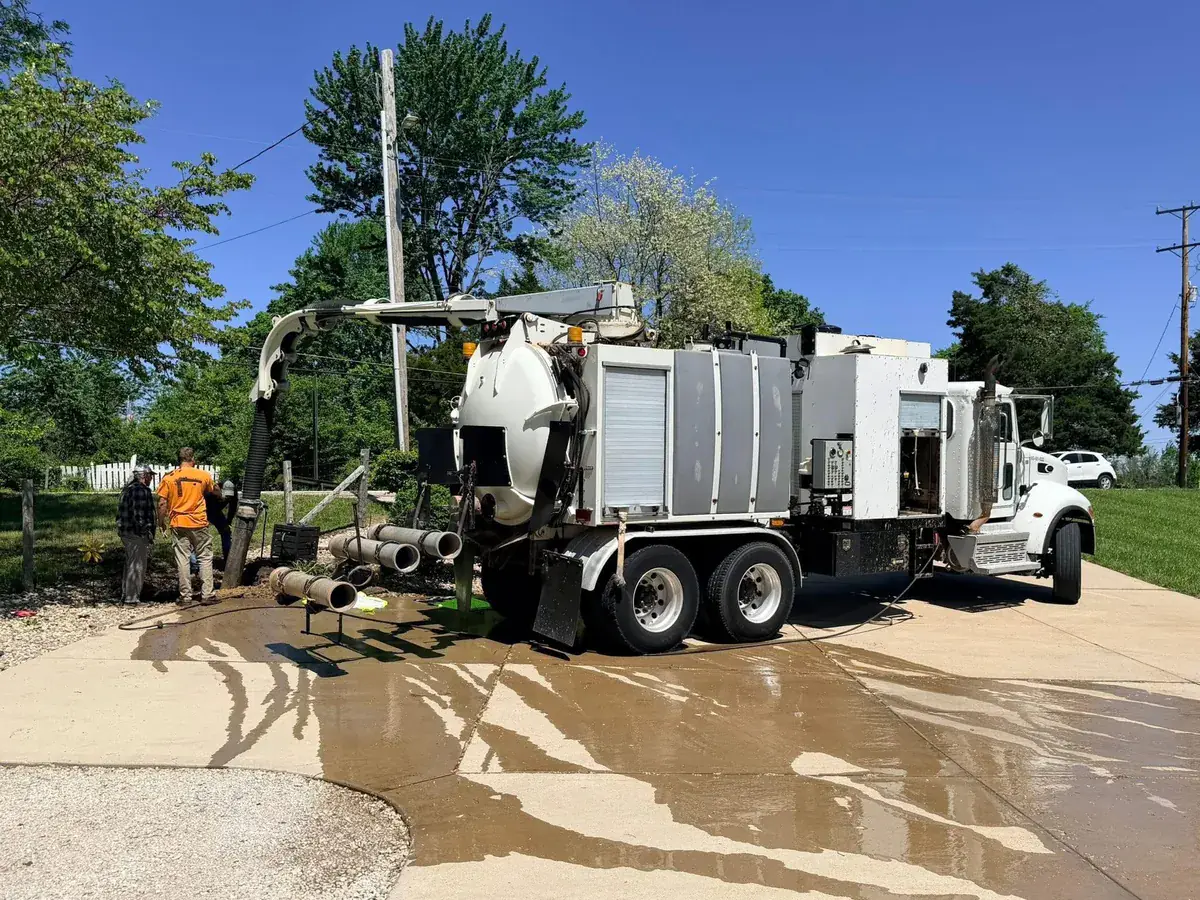
What goes in a hydrovac quote request?
Send five things: the site, the work you need done, truck access, what is already coordinated, and how the job should finish, such as where the spoil goes and who backfills. With those, a contractor can price the finished job instead of just the hours.
A request you can copy
Site: address, entrance, and on-site contact.
Work: purpose, number of exposures, estimated dimensions, and surface type.
Access: truck position, photos, restrictions, and available work hours.
Coordination: locating status, other trades, and required measurements.
Completion: spoil destination, backfill, restoration, and requested date.
Mark unknowns as unknown. An honest gap is easier to plan around than a guessed depth or access that is not really there.
Describe the result, not the hours
"One day of hydrovac" is time, not a scope. Say the task instead: expose a marked water line at two crossings, clear soil around a repair, or dig a narrow trench in a set area. Give the number of locations and rough hole size and depth, labeled as estimates. If a bore cannot proceed without a measured line depth, say so. For what locating, exposing and surveying each cover, see utility locating versus potholing.
What should the truck crew know?
- Address and entrance: the exact gate, not just the development name, plus any check-in or escort.
- Truck position: where it can park relative to each hole.
- Access: gate width, turns, grade, soft ground, overhead obstructions.
- Surface: lawn, gravel, concrete or asphalt, and who cuts hard surfaces.
- Hours and people: allowed work hours, other crews waiting on the result, and sidewalks or traffic that need a plan.
Photos and a marked-up aerial image settle most of this before dispatch.
What to ask about the price
Ask how each item is handled. Not every provider charges each one separately.
| Quote item | Question to ask |
|---|---|
| Mobilization and minimum | When does billable time start and stop? Is there a minimum? |
| Crew and equipment | What is included in the rate, and what needs separate coordination? |
| Water | What supply is planned, and how would refilling affect the work? |
| Spoil and disposal | Where will the material go, and what does that site require? |
| Standby | How is waiting for site access, marks, or another crew handled? |
| Documentation | Are photos, measurements, or survey coordination included? |
| Restoration | Who supplies backfill and restores lawn, pavement, or other surfaces? |
Read the scope and exclusions with the rate; two fair prices can cover different work. The hydro excavation cost guide gives pricing context, but only a written quote for your site sets your price.
Settle utilities and spoil first
Confirm the 811 ticket, utility responses, and any private locating through the current Missouri 811 process. Booking a hydrovac does not make the area ready to dig.
Mention any known contamination, odd odors, past industrial use, or soil testing. Hydrovac spoil cannot go into a ditch or storm drain, so agree on where it goes and what testing that site needs before digging. Name one person who can approve a change if the site differs from the plan, so the truck is not left waiting.
Ready? Request J1S hydrovac service, and mention any utility trenching so the sequence can be reviewed together.