
What is NULCA certification?
NULCA certification is safe-digging training for operators who work near buried utilities, from Nulca, formerly known as the National Utility Locating Contractors Association. Its members include locators and vacuum excavators. Certification requires passing a written exam and completing ongoing continuing education.
Certified or uncertified: what differs?
A NULCA certified operator has completed formal safe-digging training and a written exam, while an uncertified operator has no documented training. The difference shows near marked utilities: a certified operator treats a locate mark as approximate, since Missouri law allows the line to sit up to two feet to either side of it, and exposes the line by soft digging before any machine works near it.
| NULCA-certified operator | Uncertified operator | |
|---|---|---|
| Training | Formal safe-dig curriculum, a written exam, and ongoing continuing education | No documented training framework |
| Safe-dig tolerance | Knows Missouri's two-foot hand-dig zone and switches to soft-dig before reaching a marked line | May run mechanical equipment inside the strike zone |
| 811 locates | Treats the paint mark as approximate (up to 2 ft off) and confirms the line with hydrovac first | May treat the paint mark as the exact location |
| Liability record | Documented protocol leaves a defensible record if a utility is struck | No recognized standard to point to when something goes wrong |
| Right-of-way & commercial work | Eligible where NULCA (or equivalent) is required | Can be disqualified before the work starts |
| Slurry handling | Trained on regulated handling and disposal | Handled ad hoc |
What does the training cover?
NULCA training covers utility identification and APWA color-code standards, safe dig zone tolerances, proper 811 procedures and their limitations, vacuum excavation equipment operation and safety, slurry handling and disposal requirements, and site documentation procedures. Operators must pass a written exam to become certified.
- Color codes: red for electric, yellow for gas, blue for water, and so on.
- Hand-dig zone: in Missouri, the width of the line plus two feet on either side, where machines give way to hydrovac or hand digging.
- Spoil: dug material can include contaminated soil and must be handled and disposed of to regulations.
- Records: what to document before, during and after the dig.
Why the 811 mark is not enough
Missouri treats a marked line's location as its width plus two feet on either side, so the line could be up to two feet from the paint. A trained operator uses vacuum excavation to expose the line and see exactly where it is and how deep before any machine works there. OSHA requires that exact location be found by safe means as a dig approaches it. An operator who treats the paint as the line is how strikes happen.
Do I need a certified crew?
For any dig near live utilities, a NULCA-certified contractor reduces your liability and ensures the operator is following recognized industry safety protocols. Many municipalities and utility companies require NULCA certification or equivalent before allowing vacuum excavation in their right-of-way. For commercial projects and government work, it is frequently a stated requirement.
The stakes are real: a strike that damages a gas main can cost anywhere from $20,000 to $500,000 in repair costs alone, before fines, outage claims and delays. On a live electric line, the consequences go beyond money.
Is NULCA required in Missouri?
Missouri does not have a blanket statewide requirement for NULCA certification, but individual municipalities, utility companies, and project owners can and do require it for vacuum excavation work in their right-of-way or on their projects. For any utility-adjacent work, hiring a NULCA-certified contractor is the recognized industry standard for safe practice.
J1S is NULCA certified
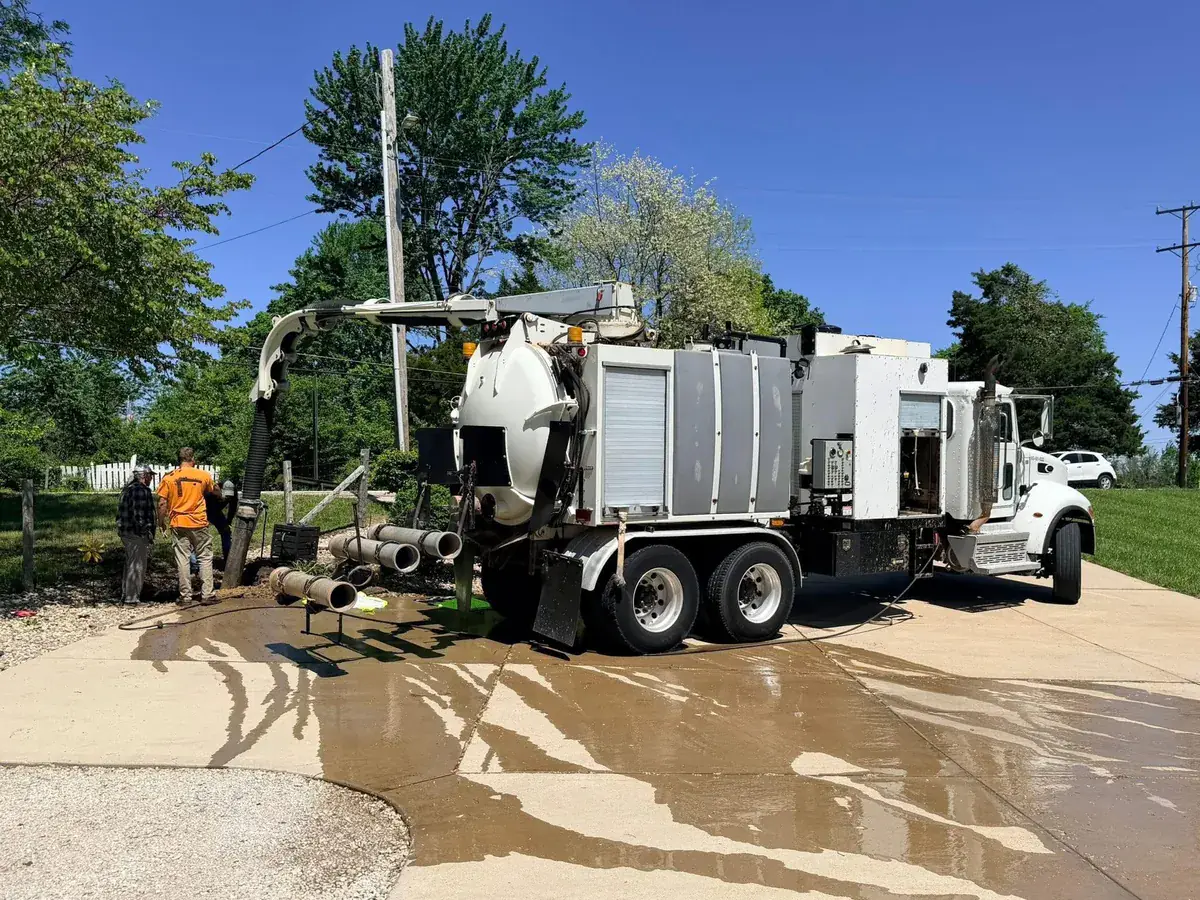
Jon Jones completed NULCA certification training as part of launching J1S's hydroexcavation work, and that training guides every pothole and utility daylighting job we run. The NULCA badge is on the truck and on every hydrovac quote we issue. When you vet contractors for a dig near live utilities, ask each of them.
See hydrovac vs. traditional excavation, our utility trenching page, and the hydroexcavation service overview.
Sources
- Nulca, About: the organization was formerly known as the National Utility Locating Contractors Association, and its members include locators and vacuum excavators.
- Missouri Revised Statutes, Section 319.015: the approximate location of a marked line is defined as the width of the facility plus two feet on either side.
- OSHA, 29 CFR 1926.651, Specific Excavation Requirements: when an excavation approaches the estimated location of an underground utility, its exact location must be determined by safe and acceptable means.