
What is the difference?
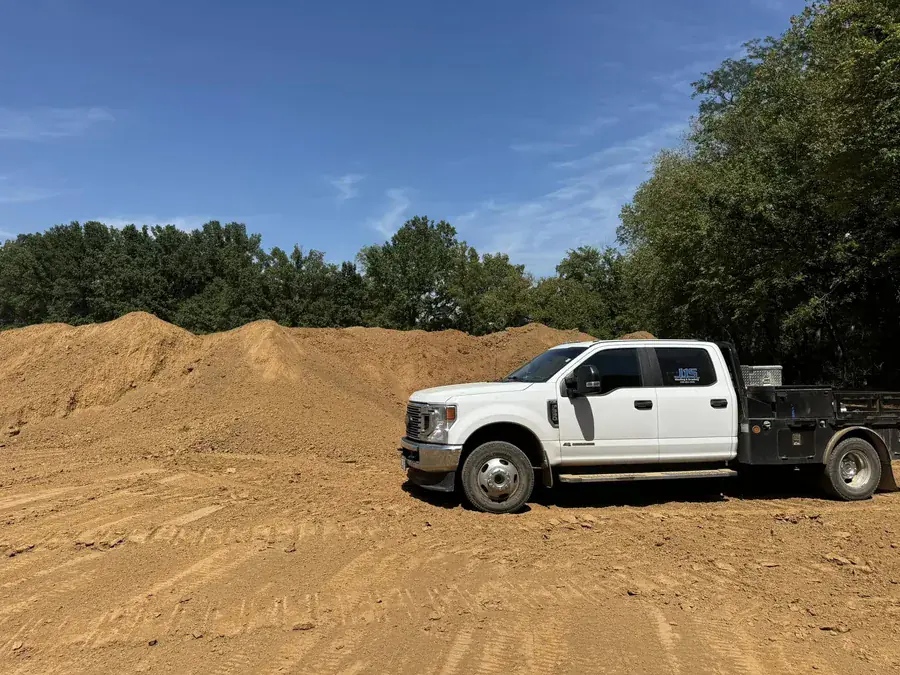
Fill dirt is subsoil with no organic matter, so it compacts and holds a load; topsoil is the organic upper layer that grows grass but cannot carry a structure. They are used in layers: fill dirt for the bulk of a grade change, then 4 to 6 inches of topsoil on top for the growing surface.
Which one do I need?
| Job | Order |
|---|---|
| Backfill around a foundation | Fill dirt |
| Base under a slab or paving | Fill dirt |
| Raise ground more than 4 to 6 inches | Fill dirt, then 4 to 6 inches of topsoil |
| New lawn on filled ground | 4 to 6 inches of topsoil over the packed fill |
| Garden or planting bed | Topsoil |
Fill dirt vs topsoil at a glance
| Fill dirt | Topsoil | |
|---|---|---|
| Organic content | None | High |
| Holds a load | Yes, when compacted | No, settles unevenly |
| Grows grass and plants | No | Yes |
| Cost | Lower | Higher |
Good fill dirt is clay-loam subsoil free of debris, stumps, roots, and large rocks, and it is compacted in layers with equipment. Topsoil is the top 4 to 12 inches of ground, rich in organic matter and nutrients. Screened topsoil has the stones and clumps taken out.
Common mistakes
- Filling a low spot with topsoil. The organic material compresses under load and settles, sometimes suddenly. Near a foundation or under a future slab, that gets expensive.
- Seeding raw fill dirt. Grass will barely come up. Spread 4 to 6 inches of topsoil first.
- Raising grade with topsoil alone. It costs more and leaves a lawn that settles, gets soft spots, and never looks level. Use fill for the bulk and topsoil for the finish.
How much do I need?
Figure the area and depth, then add 10 to 15 percent for compaction. The guides to how much fill dirt you need and how much topsoil you need have the formula and tables for common jobs.
Ordering from J1S
J1S stocks both screened fill dirt and topsoil at the Festus yard, with same-day delivery to Jefferson County. We run quad-axle dump trucks for larger orders and smaller trucks for smaller ones. If you are not sure which you need, call and we will help you work it out before you order.
Common questions
What is fill dirt used for?
Fill dirt is used to raise grade, backfill foundations, build a base under slabs and paving, and fill holes. It compacts under equipment and holds its shape under load. It is not for growing grass or plants.
Can you grow grass on fill dirt?
No. Fill dirt has very little organic matter to support plant growth. To grow grass on filled ground, place 4 to 6 inches of topsoil over the compacted fill before seeding or sodding.
Which should I use to regrade my yard?
For a change of more than 4 to 6 inches, use fill dirt for the bulk of the grade change, then finish with 4 to 6 inches of topsoil. Using only topsoil for a big grade change costs more and settles unevenly over time.
Sources
- Soil Science Society of America, Soil Horizons: topsoil is the upper A horizon with organic matter incorporated, and subsoil is the B horizon beneath it.
- University of Missouri Extension, Cool-Season Grasses: Lawn Establishment and Renovation: lawns never develop to their full potential in poor-quality subsoil.
- University of Missouri Extension, Improving Lawn and Landscape Soils: when topsoil is removed or buried, growing plants in the remaining soil becomes more difficult.